
Trashy Affair: The Veterinary Industry's Emotional Attachment to Dirty Laundry
July 28, 2025

July 28, 2025

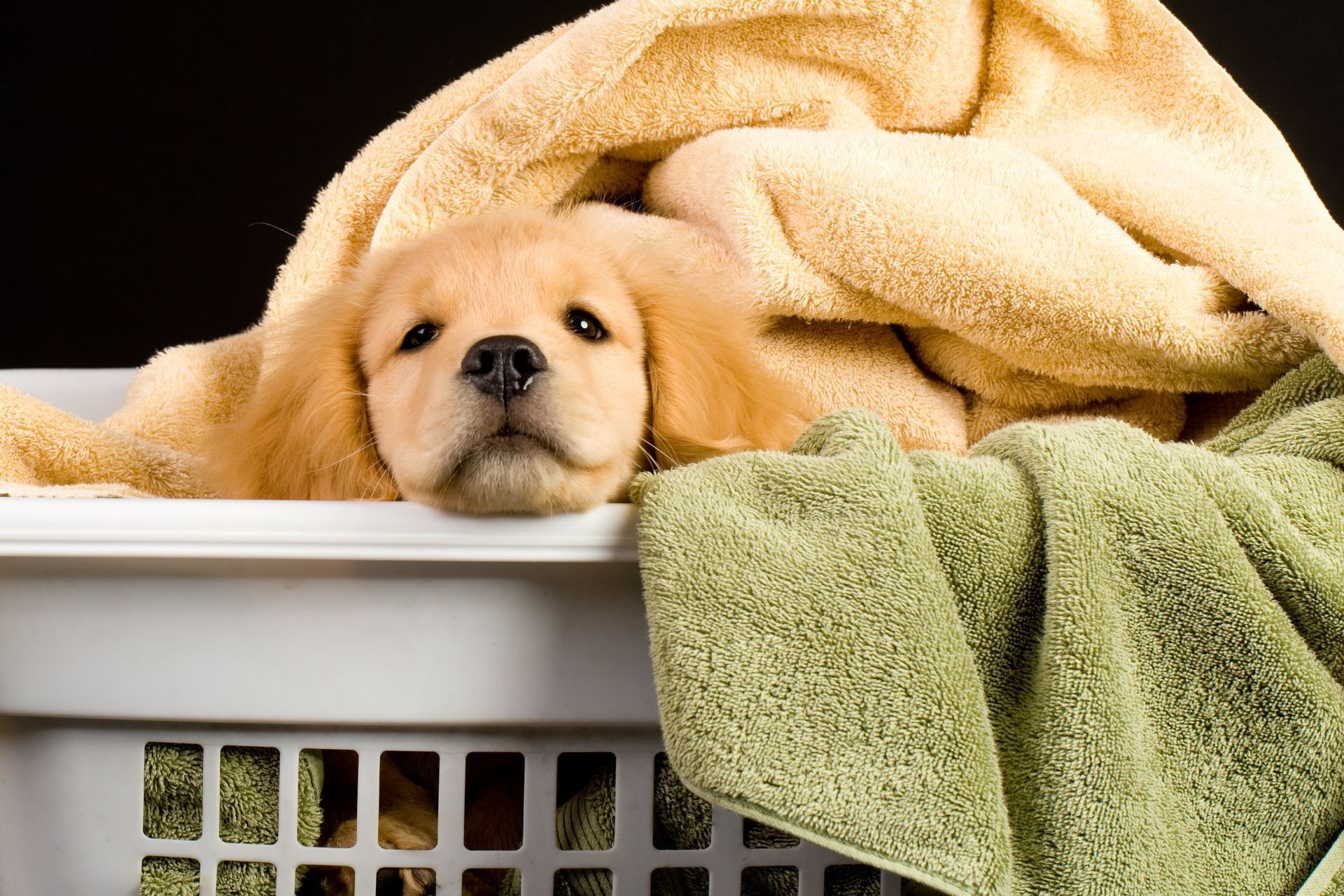
Donated linens: Treasure or Trash?

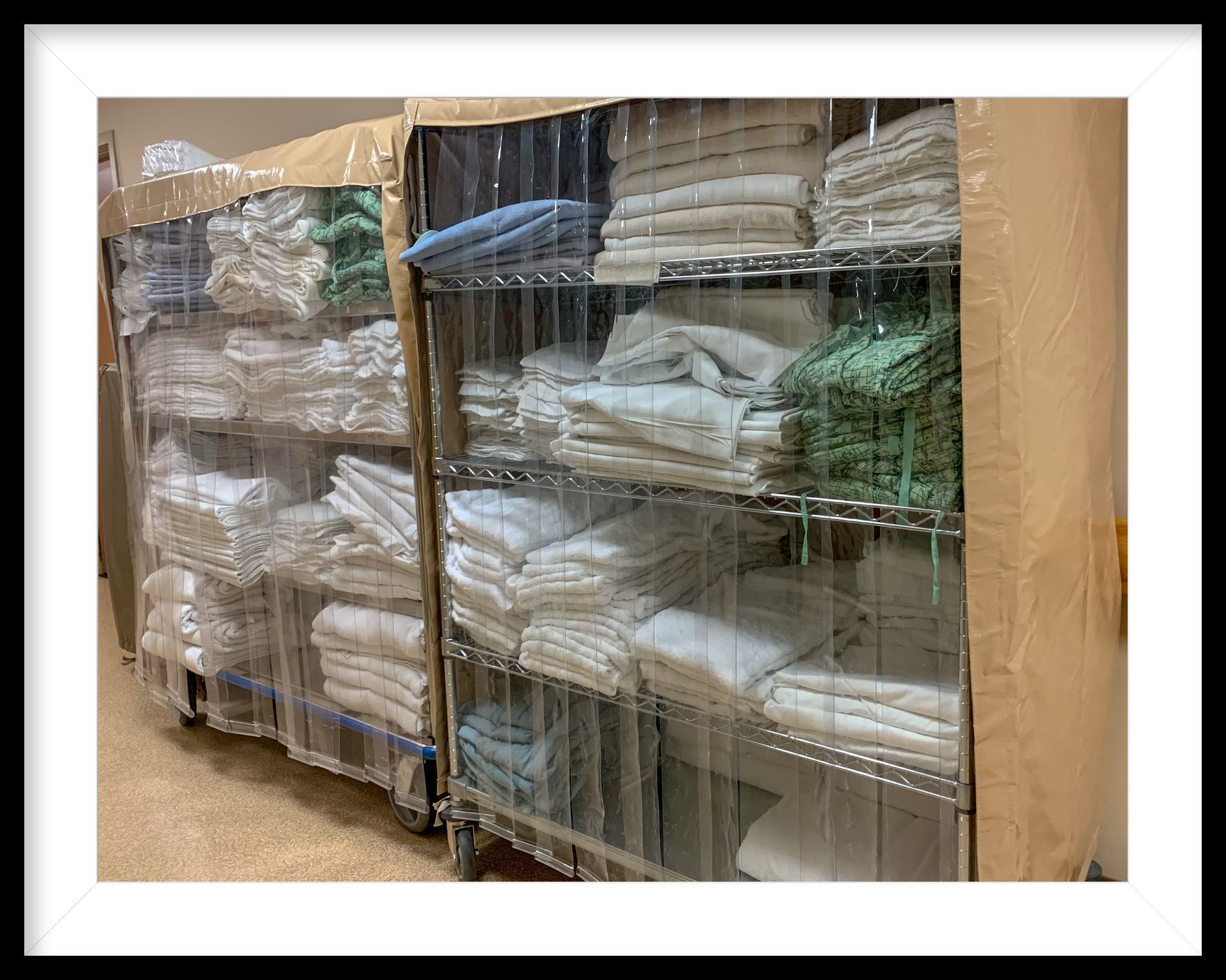
Two metal shelving units on wheels, stocked with folded linens and enclosed by clear plastic curtains.

Veterinary professionals pour their hearts and souls into their careers, devoting their entire lives to caring for animals. By extension, they are also often green-minded and care deeply about the environment. With such a passion for nature and all living things on our planet, we generally strive to preserve what we can, reuse what we can recycle, and waste not whenever possible. 

Yet, amid these noble intentions exists a peculiar phenomenon—an emotional affair with trash. Yes, you read that right—trash. Why has this peculiarity developed, and why must the veterinary industry change this mindset? Read on.

The paradox of practice
In my experience providing medical-grade laundry services for veterinary practices, I have been astounded by the emotional weight that accompanies the seemingly mundane task of handling laundry. I took some time to comprehend the depth of this connection, and as I delved deeper, I was able to unravel its roots.

The crux of the matter lies in the paradoxical nature of our profession. While we pride ourselves on practicing good medicine and upholding the highest standards of care, we often find ourselves using donated linens—a motley assortment of worn-out blankets and towels deemed unfit for household use but somehow suitable for veterinary care. These items, which belong in the landfill, are “generously” redirected to veterinary hospitals. While they may be appropriate for shelter pets awaiting their forever homes, you should never use stained and dirty towels in your surgical suite.

The cost of compromise
These well-intended donations inadvertently cause a perplexing predicament. You are expected to deliver compassionate and effective treatment, yet are forced to use substandard, worn, stained, and sometimes still dirty linens to comfort and care for your patients—a stark contrast to your professional ethos of excellence. We have convinced ourselves that since these items are "donated," they come at no cost. But, in reality, there is a non-monetary cost—you compromise the principles that originally drew you to veterinary medicine when you ignore your core values and use what essentially is trash.

Breaking the feedback loop
This peculiar dynamic is akin to a feedback loop and reminiscent of addictive behaviors like smoking. Nicotine provides a false sense of satisfaction, while using donated linens provides a fleeting sense of resourcefulness and cost-saving, but masks the underlying issue. By accepting and rationalizing the use of inferior materials, we betray the essence of our profession—compassion and excellence.

A call to action
It is high time to reevaluate our approach. Our profession already is grappling with compassion fatigue and burnout, and we cannot afford to overlook this critical aspect. Relying on donated linens may seem innocuous, but it represents a larger issue of complacency and compromise despite our commitment to provide pets with the best care possible.

As veterinary professionals, we owe ourselves and, more importantly, our patients, to break free from this cycle and demand better. It is time to challenge the status quo, reassess our priorities, and seek sustainable solutions that align with our values and principles. We can reclaim the integrity of veterinary care by advocating for proper resources and refusing to settle for anything less than the best.

This is not only about combating compassion fatigue or burnout—it’s about preserving the essence of what it means to be a veterinary professional. It is about recognizing our worth and refusing to compromise on the quality of care we provide. Let’s make this observation a catalyst for positive change in our industry. Let’s embrace a future where every aspect of patient care reflects the compassion and excellence that define our profession.


Ditch your emotional affair with dirty, donated laundry and turn to the professionals for help. Contact our Veterinary System Services team to discuss using the medical-grade linens that your patients deserve.


contract staffing
December 26, 2025
Read our blog to discover the six signs you might need contract staffing for your veterinary practice. If you need staffing services, call our team today.
Dog and cat cuddled under a blanket on a bed. The dog looks curious, the cat is calm.
August 19, 2025
Veterinary technicians spend years in intensive training programs to become credentialed professionals. They entered the veterinary field to save lives, provide advanced nursing care, and make a difference for pets and their people. But, in practice, m any credentialed technicians are inappropriately utilized and spend their shifts cleaning kennels and washing, drying, and folding the never-ending pile of veterinary practice laundry. Surely, your team members did not sign up to be licensed laundry professionals. Although every job requires some cleaning, as the facility must remain clean and tidy to minimize disease spread, that shouldn’t be your techs’ main job. Laundry is a necessary evil, but what if you could reclaim that time? Here are five reasons why outsourcing your laundry with Veterinary System Services could be your practice's best decision this year. 1. Harness your team’s talents Credentialed veterinary technicians (CrVTs) are highly trained professionals with advanced nursing skills and invaluable experience. They undergo a rigorous education alongside veterinary students, and that deserves respect. Your CrVTs probably excel at cleaning, too, but that doesn’t mean it's a good use of their talents. Outsourcing your veterinary practice laundry frees up techs to do what they do best—provide excellent care to patients and clients. Your technicians can contribute to the practice’s financial health in other, far more productive ways, such as assisting in surgery, educating clients, tending to hospitalized patients, or keeping the veterinarian’s schedule moving. Plus, technicians who are utilized to the fullest extent of their licensed skills have more job satisfaction. 2. Save time and boost practice efficiency Laundry—which can seem never-ending—is time-consuming for team members, as they load, fold, sort, and restock. Consider what your practice could accomplish if laundry were taken off everyone’s plate—not only your veterinary technicians. Your staff could redirect their energy toward seeing more patients or providing better care. Outsourcing laundry improves overall practice efficiency and ensures you never run out of towels for wrapping patients or surgical gowns for that last-minute emergency procedure. 3. Eliminate hidden costs Doing your own laundry seems like a reasonable solution to help keep operational costs down—your team is already in the building, so they might as well throw in a load of laundry, right? However, doing it yourself has hidden costs: Water and electricity — Constant washing and drying can spike your utility bills. Maintenance — Frequently used washers and dryers need expensive routine repair or replacement. Productivity loss — The time your team spends doing laundry doesn’t generate revenue, while direct patient care does. Outsourcing your veterinary practice laundry is likely more cost-effective in the long run. Pricing is a predictable monthly fee with no surprises related to repairs or leaks. 4. Improve veterinary practice cleanliness Cleanliness in a veterinary practice is about aesthetics and safety. Clients judge a hospital by looks and smells, and maintaining high cleanliness standards protects pets and the community from infectious diseases. However, achieving hospital-grade cleanliness with in-house laundry might take more work than you think. Leaving your veterinary practice laundry to the professionals ensures that your linens meet the highest hygiene standards. Professional equipment, detergents, and disinfectants, plus procedures to reduce cross-contamination, provide a total sanitary environment. 5. Boost morale and retention Your team, especially CrVTs, may feel undervalued when they spend their time and talents on tasks that don’t align with their training and education. Overburdening technicians with non-clinical duties like laundry can lead to burnout and turnover. However, using an outside service for your veterinary practice laundry shows your team you respect their time and credentials, improving team morale and retaining top talent in your clinic. Outsourcing laundry isn’t only about convenience or cost. Using the Veterinary System Services laundry program prioritizes what truly matters—delivering exceptional care and creating a respectful work environment where all your team members can thrive. Contact us to learn more about professional laundry services and give your team the break they deserve!
Veterinarian examining a cat on a table, assisted by someone in scrubs; equipment in the background.
August 12, 2025
In the bustling world of veterinary practices, where compassion for pets meets the demands of business, one often overlooked aspect is the true cost of employee overtime. It's a topic frequently brushed aside or oversimplified, with many believing the additional hourly wages are the sole expense incurred. However, delving deeper reveals a complex web of hidden costs that can significantly affect a practice’s bottom line and the well-being of its staff and patients. The fallacy of hourly rates in veterinary medicine When questioned about how much a specific employee earns or “costs” the business, veterinary practice managers or owners frequently respond with something along the lines of, "Their hourly rate is $25, so they cost me $25 an hour.” But that view fails to capture the full picture. Beyond the question of base wages lies a myriad of additional expenses—from taxes and benefits to training and turnover—all of which contribute to the true cost of an employee. Understanding the true cost of veterinary employees To understand the real cost of a veterinary team member, you must consider the following factors: Overtime premiums — Overtime isn't only a matter of paying the base wage for extra hours. Federal and state laws often mandate overtime premiums, which can be as much as 1.5 times the regular rate. This additional expense can quickly add up, especially in practices where overtime is common. Burnout and diminished productivity — While it may seem easier to rely on overtime hours to meet business demands instead of seeking additional help, the long-term effects on employees can include burnout, fatigue, and decreased morale, which can lead to decreased productivity, increased errors, and higher turnover rates, not to mention serious mental health effects for your team members. Training and onboarding — Every new employee represents an investment in training and onboarding. When existing staff are stretched thin with overtime, the time and resources available for training diminish, potentially compromising the quality of care and increasing the likelihood of mistakes. Health care costs — Overtime doesn’t only tax the mind; it can also take a toll on physical health. Increased stress, irregular schedules, and inadequate rest can contribute to a host of health issues, ultimately driving up healthcare costs for employees and employers. Turnover and recruitment — The veterinary industry is no stranger to turnover, but excessive overtime can exacerbate the problem. Employees who feel overworked and undervalued are more likely to seek opportunities elsewhere, leading to increased recruitment and onboarding costs for a practice. Confronting the truth about overtime for veterinary professionals It's easy to fall into the trap of believing that overtime is a cost-effective solution to staffing shortages. However, as veterinary professionals, we must confront reality head-on and acknowledge the true burden of overtime. This means taking the time to calculate the full cost of employee hours, including direct and indirect expenses, and weighing them against the benefits of a well-rested, motivated workforce. How to manage the true costs of overtime What can veterinary practice managers do to mitigate the hidden costs of overtime? Here are a few strategies to consider: Evaluate workload and staffing levels — Take a critical look at workload distribution and staffing levels to identify areas of inefficiency or over-reliance on overtime. Invest in staff development — Make training and professional development opportunities a priority to ensure employees have the skills and support they need to thrive. Implement flexible scheduling — Explore alternatives to traditional scheduling models, such as flexible hours or compressed workweeks, to accommodate fluctuating demand without resorting to excessive overtime. Promote work-life balance — Encourage a culture of work-life balance by offering benefits such as paid time off, wellness programs, and employee assistance services. Communicate transparently — Foster open communication with staff about workload expectations, overtime policies, and the importance of self-care. In the fast-paced world of veterinary medicine, the true cost of employee overtime can often be overshadowed by immediate staffing needs and budget constraints. However, by taking a holistic view of employee expenses and acknowledging the hidden costs of overtime, practice managers can make more informed decisions that balance both financial sustainability and employee wellbeing. To discuss how overtime can wrack up considerable costs you may not realize, give our Veterinary System Services team a call. We’ll guide you through the pros and cons of bringing relief staff on board and provide a cost comparison in terms of finances, patient and client care, and employee wellbeing.
Show More →